
lfArrowSvg
Blogs
blog-img
What is responsive website
Category
Recent News
blog-image
2026-02-05 17:30dot separator7 min read
cross arrow

How Generative AI is Revolutionizing ERP Software Development in 2026

Enterprise Resource Planning (ERP) systems have long been the backbone of business operations, helping organizations manage finance, supply chain, HR, manufacturing, and customer data from a unified platform. However, as businesses face increasing complexity and demand real-time intelligence, traditional ERP systems are no longer enough. In 2026, Generative AI is transforming ERP systems from static process tools into intelligent, predictive, and adaptive platforms. From automating workflows to enabling data-driven decision-making, generative AI is redefining how modern enterprises approach ERP software development. Understanding Generative AI in ERP Systems What Is Generative AI? Generative AI refers to advanced artificial intelligence models capable of creating new content, insights, and recommendations based on existing data. Unlike rule-based automation, generative AI can analyze patterns, generate predictions, and adapt dynamically to business scenarios. When integrated into ERP platforms, generative AI enables systems to learn from enterprise data, automate complex tasks, and provide actionable insights—making ERP systems smarter and more responsive. Why ERP Software Development Needs Generative AI in 2026 Businesses today operate in highly dynamic environments where data volumes are massive and decision cycles are short. Traditional ERP systems often struggle with manual configurations, delayed insights, and rigid workflows. Generative AI addresses these challenges by: Automating repetitive ERP processes Enhancing data analysis and forecasting Improving user experience through conversational interfaces Enabling real-time, predictive decision-making As a result, organizations are increasingly turning to intelligent ERP software development strategies that embed AI at the core. Key Ways Generative AI Is Transforming ERP Software Development Intelligent Process Automation Generative AI goes beyond basic automation by understanding context and optimizing workflows automatically. ERP systems can now handle tasks such as invoice processing, inventory updates, and procurement approvals with minimal human intervention. This intelligent automation reduces operational costs and improves accuracy, especially when implemented by an experienced ERP development company. Predictive Analytics and Smart Forecasting One of the most powerful applications of generative AI in ERP systems is predictive analytics. AI-driven ERP platforms can analyze historical and real-time data to forecast demand, optimize inventory, and predict financial trends. This capability enables organizations to move from reactive planning to proactive business strategies, giving them a competitive edge in fast-changing markets. Conversational ERP Interfaces In 2026, ERP systems are becoming more user-friendly through AI-powered conversational interfaces. Employees can interact with ERP platforms using natural language—asking questions like “What is the current inventory status?” or “Generate a sales forecast for Q3.” These AI assistants improve accessibility, reduce training time, and boost productivity across departments. Personalized ERP Experiences Generative AI allows ERP systems to tailor dashboards, reports, and workflows based on user roles and behavior. Finance teams, HR managers, and supply chain professionals each receive customized insights relevant to their responsibilities. This personalization enhances decision-making and user engagement, making ERP systems more intuitive and effective. Faster ERP Customization and Development Traditional ERP customization is often time-consuming and expensive. Generative AI accelerates development by: Automatically generating code snippets Suggesting optimized system configurations Identifying integration requirements Leading organizations now partner with a forward-thinking ERP development company to leverage AI-driven tools that significantly reduce development timelines and costs. Benefits of AI-Driven ERP Software Development Improved Operational Efficiency Generative AI streamlines processes, minimizes errors, and reduces manual workloads, allowing teams to focus on strategic initiatives. Data-Driven Decision Making AI-powered insights enable leaders to make faster, more informed decisions backed by real-time data. Scalability and Flexibility AI-enabled ERP systems adapt easily to business growth, new markets, and evolving customer demands. Enhanced User Adoption With intuitive interfaces and personalized experiences, employees are more likely to adopt and effectively use ERP platforms. Industry Use Cases of Generative AI in ERP Systems Manufacturing AI-driven ERP systems optimize production schedules, predict equipment failures, and manage supply chains more efficiently. Retail and E-commerce Generative AI enhances demand forecasting, inventory management, and personalized pricing strategies. Healthcare ERP platforms leverage AI to manage resources, streamline patient billing, and ensure regulatory compliance. Finance AI-enabled ERP systems automate reporting, detect anomalies, and improve financial planning accuracy. Choosing the Right ERP Development Partner Implementing generative AI into ERP systems requires deep technical expertise, industry knowledge, and a clear strategic roadmap. Businesses should collaborate with an experienced ERP development company that understands both enterprise systems and advanced AI technologies. A trusted partner offering comprehensive software development services can help design, develop, and deploy AI-powered ERP solutions tailored to your business needs. Many enterprises also prefer working with a reliable software development company in USA to ensure compliance, security, and global quality standards. Challenges and Considerations While generative AI brings immense value, businesses must address challenges such as: Data security and privacy AI model transparency Integration with legacy ERP systems Change management and user training With proper planning and expert guidance, these challenges can be effectively managed to unlock long-term value. The Future of ERP Software Development As we move deeper into 2026, ERP systems will evolve into autonomous business platforms capable of self-optimization and continuous learning. Generative AI will play a central role in this evolution, enabling ERP solutions that not only support business operations but actively drive growth and innovation. Organizations investing in intelligent ERP software development today will be better positioned to adapt, compete, and thrive in the digital economy. Conclusion Generative AI is fundamentally reshaping ERP systems, transforming them from traditional management tools into intelligent, predictive platforms. By automating processes, enhancing analytics, and personalizing user experiences, AI-powered ERP solutions are setting new standards for enterprise efficiency. To fully realize these benefits, businesses must partner with a skilled ERP development company and invest in advanced software development services that align technology with long-term business goals. In 2026 and beyond, generative AI-driven ERP software will not just support enterprises—it will redefine how they operate, decide, and grow.

blog-image
2026-01-22 17:30dot separator7 min read
cross arrow

Cross-Platform Mobile Development: React Native vs Flutter

The demand for mobile applications continues to grow as businesses aim to reach users across multiple platforms quickly and efficiently. Instead of building separate apps for iOS and Android, many organizations now prefer cross-platform mobile development, which allows them to create a single app that runs seamlessly on both platforms. Among the available frameworks, React Native and Flutter stand out as the most popular choices. But how do they differ, and which one is right for your business? In this blog, we’ll explore React Native vs Flutter in detail, comparing performance, development speed, UI capabilities, and scalability to help you make an informed decision. What Is Cross-Platform Mobile Development? Cross-platform mobile development refers to the process of building mobile applications that can run on multiple operating systems using a single codebase. This approach significantly reduces development time, cost, and maintenance efforts while ensuring a consistent user experience across devices. Businesses often turn to a professional mobile app development company to implement cross-platform solutions that balance performance, scalability, and speed to market. Understanding React Native What Is React Native? React Native is an open-source framework developed by Meta (Facebook) that enables developers to build mobile apps using JavaScript and React. It allows developers to reuse most of the code across platforms while still delivering a near-native experience. Key Features of React Native Uses JavaScript and React Reusable components for faster development Strong community support Access to native APIs through bridges React Native is widely used by startups and enterprises alike due to its flexibility and rapid development capabilities. Understanding Flutter What Is Flutter? Flutter is an open-source UI toolkit developed by Google that uses the Dart programming language. It allows developers to build visually rich and high-performance mobile applications with a single codebase. Key Features of Flutter Uses Dart language Built-in widgets for consistent UI High performance with compiled native code Strong support for custom animations and UI design Flutter is gaining popularity for its smooth UI rendering and ability to deliver pixel-perfect designs across platforms. React Native vs Flutter: Key Differences Performance Flutter often has an edge in performance because it compiles directly to native ARM code and doesn’t rely on a JavaScript bridge. React Native, while efficient, may experience performance bottlenecks in complex applications due to bridge communication. User Interface and Design Flutter provides a rich set of customizable widgets, allowing developers to create highly polished and visually consistent interfaces. React Native relies on native components, which can lead to slight UI differences between platforms. Development Speed React Native benefits from JavaScript’s widespread adoption and reusable libraries, making onboarding faster for many developers. Flutter’s hot reload feature also enhances productivity, but Dart may have a steeper learning curve for teams new to the language. Community and Ecosystem React Native has a larger and more mature community, offering extensive third-party libraries and plugins. Flutter’s ecosystem is growing rapidly, with strong backing from Google and frequent updates. Use Cases for React Native React Native is ideal for: Apps requiring faster development cycles Projects with existing JavaScript expertise Applications with frequent updates MVPs and startups aiming for quick market entry Many businesses collaborate with a trusted mobile app development company to leverage React Native for cost-effective and scalable solutions. Use Cases for Flutter Flutter works best for: Apps with complex UI and animations High-performance applications Projects requiring consistent UI across platforms Long-term scalable mobile products Flutter is particularly attractive for brands focusing on premium user experience and modern app design. Cost and Maintenance Considerations Both frameworks reduce development costs by enabling a single codebase. Maintenance is also simpler compared to native apps, as updates can be rolled out across platforms simultaneously. Choosing the right framework as part of professional app development services ensures long-term maintainability, security, and scalability. Security and Scalability Security is a critical factor in mobile development. Both React Native and Flutter support secure coding practices, encryption, and authentication mechanisms. However, implementing enterprise-grade security requires expertise and proper architecture planning. Partnering with a reliable software development company in USA ensures compliance with security standards and delivers scalable mobile solutions tailored to business needs. Which Framework Should You Choose? The choice between React Native and Flutter depends on several factors: Project requirements Team expertise Performance expectations UI complexity Time-to-market goals React Native is often preferred for rapid development and JavaScript-based teams, while Flutter excels in performance and UI consistency. A detailed assessment by an experienced development partner can help determine the best fit. The Role of Cross-Platform Development in Business Growth Adopting Cross-Platform Mobile Development enables businesses to launch apps faster, reduce costs, and reach a wider audience. It allows companies to stay competitive in an increasingly mobile-first digital landscape while ensuring consistent experiences across devices. Organizations that invest in expert app development services can leverage cross-platform frameworks to innovate faster and scale efficiently. Conclusion Both React Native and Flutter are powerful frameworks that enable businesses to build high-quality mobile applications efficiently. React Native offers flexibility, a vast ecosystem, and faster onboarding, while Flutter delivers superior performance and visually stunning interfaces. The right choice depends on your business goals, technical requirements, and long-term vision. By working with an experienced mobile app development company, businesses can harness the full potential of cross-platform development and deliver future-ready mobile applications. Whether you’re launching a startup app or scaling an enterprise solution, cross-platform mobile development with React Native or Flutter can be a game-changer for your digital strategy.

The Future of Website Designing !

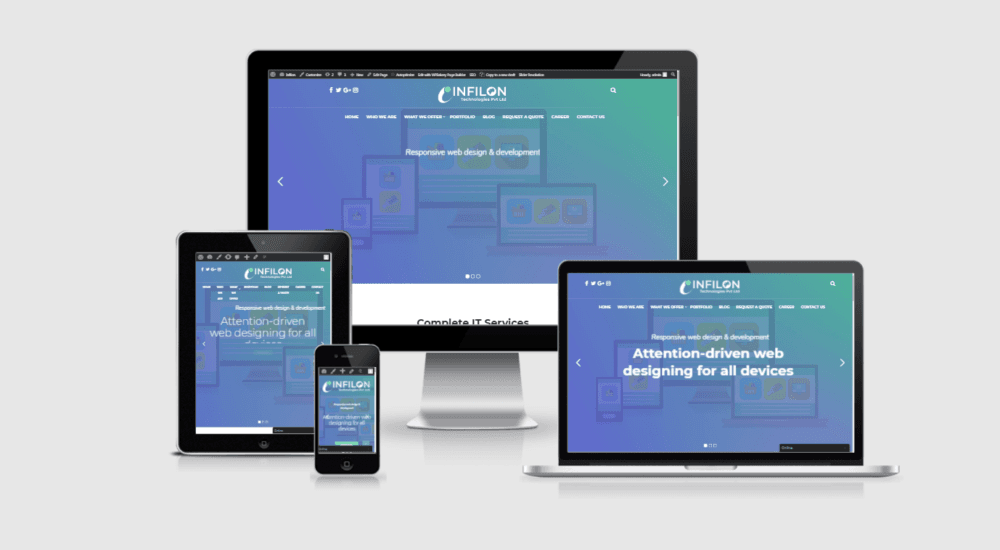
Have you asked yourself, “What’s responsive or reactive Web design layout ?”  Responsive Website designing is an approach whereby a programmer produces a Web page which reacts to or resizes itself based on the sort of device it’s being seen through. That could be an out sized desktop computer resolutions, a notebook, a 10-inch tablet, a 7-inch tablet or 5-inch smartphone display.

Responsive Web design has become one of the trending topic now a days, That can be due in part to the growing market of smartphones and other mobile devices. More folks are using smaller-screen apparatus to look at Web pages.

In Reality, “For those who create web designs and web solutions, all this contributes to a remarkable conclusion: A million screens have bloomed, and we need to build for all of them.”

What Exactly Does Responsive Website Layout Look Like? The Main objective of responsive design would be to have a single site, but with various elements or components that responds differently when seen on devices of various sizes and dimensions. Let’s take a conventional “fixed” website When seen on a normal computer screen, for instance, the web site might show three columns But, when you see the exact same website design on a smaller tablet it might force you to scroll from left to right, something users don’t like it Or sections might be concealed from view or looks distorted. The effect can be complicated by the fact that lots of tablets could be viewed in portrait orientation, or flipped sideways for landscape perspective.

On a tiny smartphone display, Websites can be even more challenging to see.  Large images may split the design.  Websites can be slow to load in smartphones if they’re graphics heavy. However, if a website uses responsive layout, the tablet variant might automatically adjust to exhibit just two columns. This way, the material is readable and easy to navigate.  On a smartphone, the material may seem like one, perhaps stacked vertically Or possibly the consumer would have the ability to swipe view to see different columns.

Pictures will resize instead of distorting the design or getting cut off. The purpose is with responsive Website designing layout, the sites automatically adjusts depending on the device that the viewer sees it in.

How Does Responsive Web Design Work? Responsive websites utilize fluid layout column structures.  All page components are sized by percentage of the screen, rather than pixels. Therefore, in the event that you’ve got three columns, then you would not say precisely how wide each ought to be, but instead how broad they ought to be in connection to the additional columns.  Column 1 should consume half of the page, column 2 should consume 30 percent , and column 3 should take up 20 percent, for instance.

We at infilon, delivers right quality responsive websites since last 5 years in Ahmedabad, India and across the globe

whatsAppImg